The Rise of Air Cargo Carriers: Transforming Transportation and Shipping
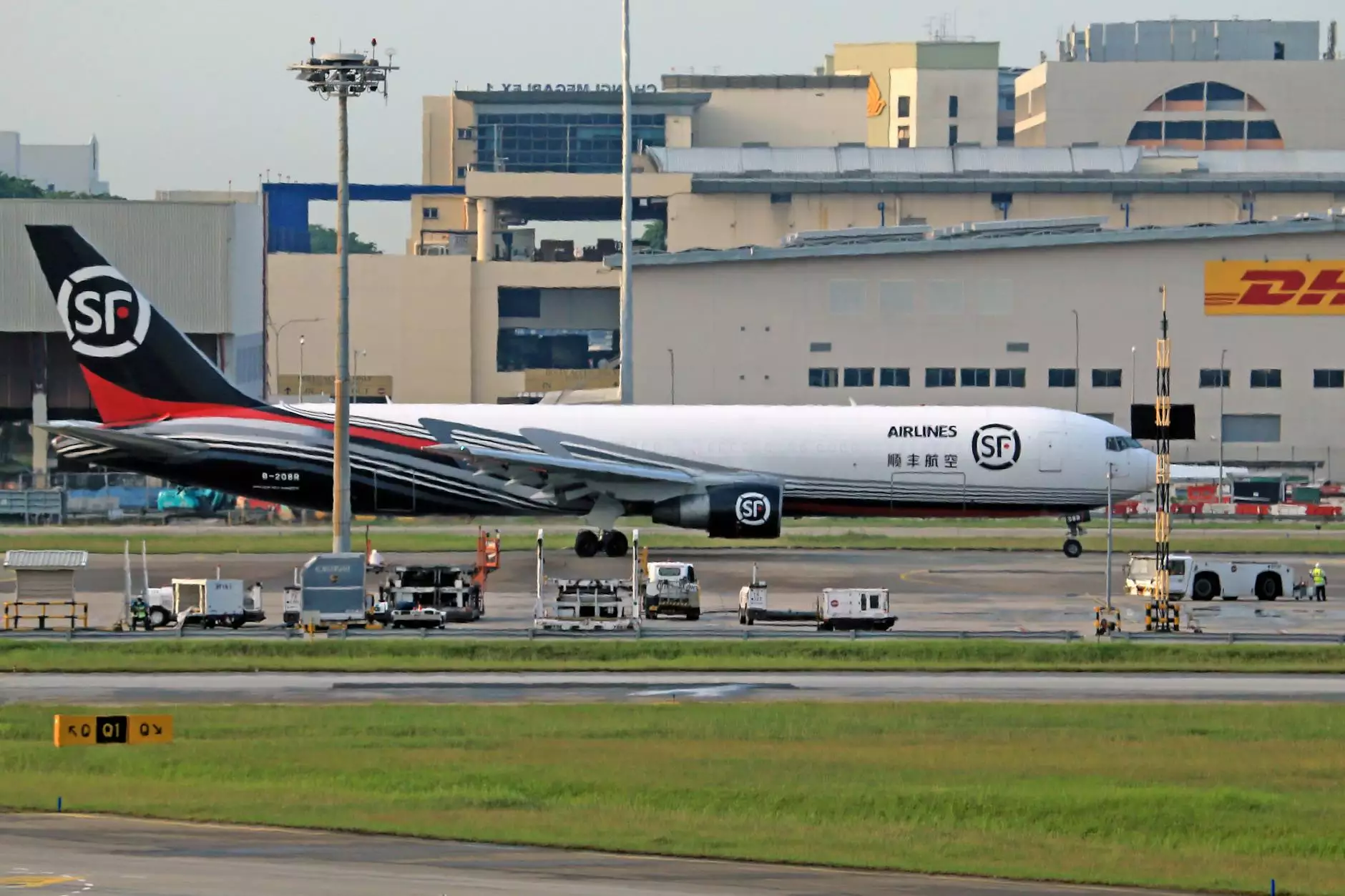
In the ever-evolving landscape of global logistics, air cargo carriers have established themselves as a pivotal player in the transportation and shipping industries. As the demand for faster and more reliable delivery options escalates, businesses are increasingly relying on the efficiency and speed of air freight services. This article delves into the critical role that air cargo carriers play, examining their influence on shipping centers, transportation networks, and airports worldwide.
1. Understanding Air Cargo Carriers
Air cargo carriers are specialized airlines that transport goods and commodities via their aircraft. Unlike passenger airlines, these carriers focus exclusively on cargo, allowing them to optimize their services for timely and secure delivery. Key services provided by air cargo carriers include:
- Freight Services: Transporting a wide variety of goods, from perishables to industrial equipment.
- Charter Services: Offering on-demand shipping solutions for businesses with urgent needs.
- Express Shipping: Ensuring fast delivery options for time-sensitive shipments.
- Customs Brokerage: Assisting with the clearance process to ensure compliance with regulations.
These services not only enhance the efficiency of logistics but also contribute significantly to global trade by facilitating the movement of goods across borders.
2. The Importance of Air Cargo Carriers in Global Trade
Air cargo carriers are indeed the backbone of global commerce, impacting several sectors across the economy. Here are some of the primary advantages they offer:
- Speed: Air transportation is undeniably the fastest way to move goods across long distances, reducing shipping times to a matter of hours or days, rather than weeks.
- Global Reach: Air cargo services can connect even the most remote regions of the world, facilitating trade where road or sea transport may be impractical.
- Reliability: With advanced tracking systems and scheduled flights, air cargo deliveries can be highly predictable, allowing businesses to plan and manage their supply chains effectively.
- Security: The cargo handling processes in air transportation often include stricter security protocols, reducing the incidence of theft and damage.
Due to these advantages, air cargo carriers are indispensable in sectors such as pharmaceuticals, electronics, and food service, where timely delivery is of the essence.
3. The Operations of Air Cargo Carriers
The operational intricacies involved in air cargo services encompass several stages, each crucial to ensuring the efficient transportation of goods:
3.1 Booking and Logistics
The journey of cargo begins with proper booking through platforms such as cargobooking.aero. This booking process involves:
- Online Platforms: Technology has made it easier for businesses to book their shipments online, providing real-time quotes and availability.
- Documentation: Preparing essential paperwork like bills of lading and customs declarations to facilitate smooth transit.
3.2 Ground Handling Operations
Once the cargo reaches the airport, ground handling operations come into play:
- Loading and Unloading: Skilled teams ensure that cargo is efficiently loaded onto aircraft and safely unloaded upon arrival.
- Inventory Management: Advanced systems keep track of all cargo movements to maintain accuracy and availability.
3.3 Flight Operations
Efficient flight operations are fundamental for air cargo carriers. Key elements include:
- Aircraft Selection: Choosing the right aircraft type for cargo size and volume is critical.
- Route Planning: Strategically planning flight routes to optimize fuel efficiency and delivery times.
4. The Relationship Between Air Cargo Carriers and Airports
Airports serve as a crucial link in the air cargo supply chain. They provide the infrastructure needed for air cargo operations, including:
- Dedicated Cargo Terminals: Specialized facilities designed for the exclusive use of cargo handling, ensuring efficiency and minimizing delays.
- Customs Facilities: Streamlined customs processes that expedite the clearance of goods.
- Access to Ground Transportation: Integration with road and rail transport facilitates last-mile delivery.
Additionally, the collaboration between air cargo carriers and airports fosters improvements in logistics technology, leading to enhanced efficiency overall.
5. Challenges Faced by Air Cargo Carriers
Despite their advantages, air cargo carriers encounter several challenges that impact their operations:
- High Operating Costs: Rising fuel prices and maintenance costs can significantly affect profitability.
- Regulatory Compliance: Navigating various international trade regulations can be complex and time-consuming.
- Capacity Constraints: Limited cargo space in passenger aircraft and high demand can lead to capacity issues.
- Environmental Concerns: As sustainability becomes a priority, air cargo carriers are under pressure to reduce their carbon footprint.
Addressing these challenges requires innovative solutions, such as investments in fuel-efficient technologies and sustainable practices.
6. The Future of Air Cargo Carriers
As we look ahead, the future of air cargo carriers appears promising, driven by several key trends:
6.1 Technological Advancements
Emerging technologies are revolutionizing the logistics industry:
- Automation: Automated systems for booking, tracking, and cargo handling increase efficiency and reduce human error.
- Blockchain Technology: Enhancing transparency and traceability in the supply chain.
- Artificial Intelligence: Predictive analytics to optimize routing and reduce delays.
6.2 E-Commerce Growth
With the rise of e-commerce, the demand for air cargo services is expected to surge as businesses seek rapid delivery solutions. Air cargo carriers will need to adapt by:
- Expanding Last-Mile Delivery Solutions: Integrating air and ground services to ensure prompt delivery to customers.
- Flexibility: Offering customizable shipping solutions to cater to diverse e-commerce needs.
6.3 Sustainability Initiatives
The logistics industry is under increasing scrutiny regarding its environmental impact. Air cargo carriers are responding by:
- Investing in Sustainable Aviation Fuel (SAF): Reducing carbon emissions by utilizing greener fuel alternatives.
- Fleet Modernization: Upgrading to more fuel-efficient aircraft.
Through such initiatives, air cargo carriers not only comply with regulations but also contribute positively to the planet's preservation.
Conclusion
In conclusion, air cargo carriers are indispensable to the modern logistics ecosystem, underpinning global trade and commerce. Their ability to offer speed, reliability, and global reach makes them a preferred choice for businesses of all sizes. By embracing technological advancements and addressing challenges head-on, these carriers will continue to evolve and thrive in an increasingly competitive environment.
As we move into a future filled with opportunities and challenges, it is clear that air cargo carries more than just goods; it carries the hopes of businesses and economies worldwide.
aircargo carriers