The Significance of Door Swing in Home and Garden Design
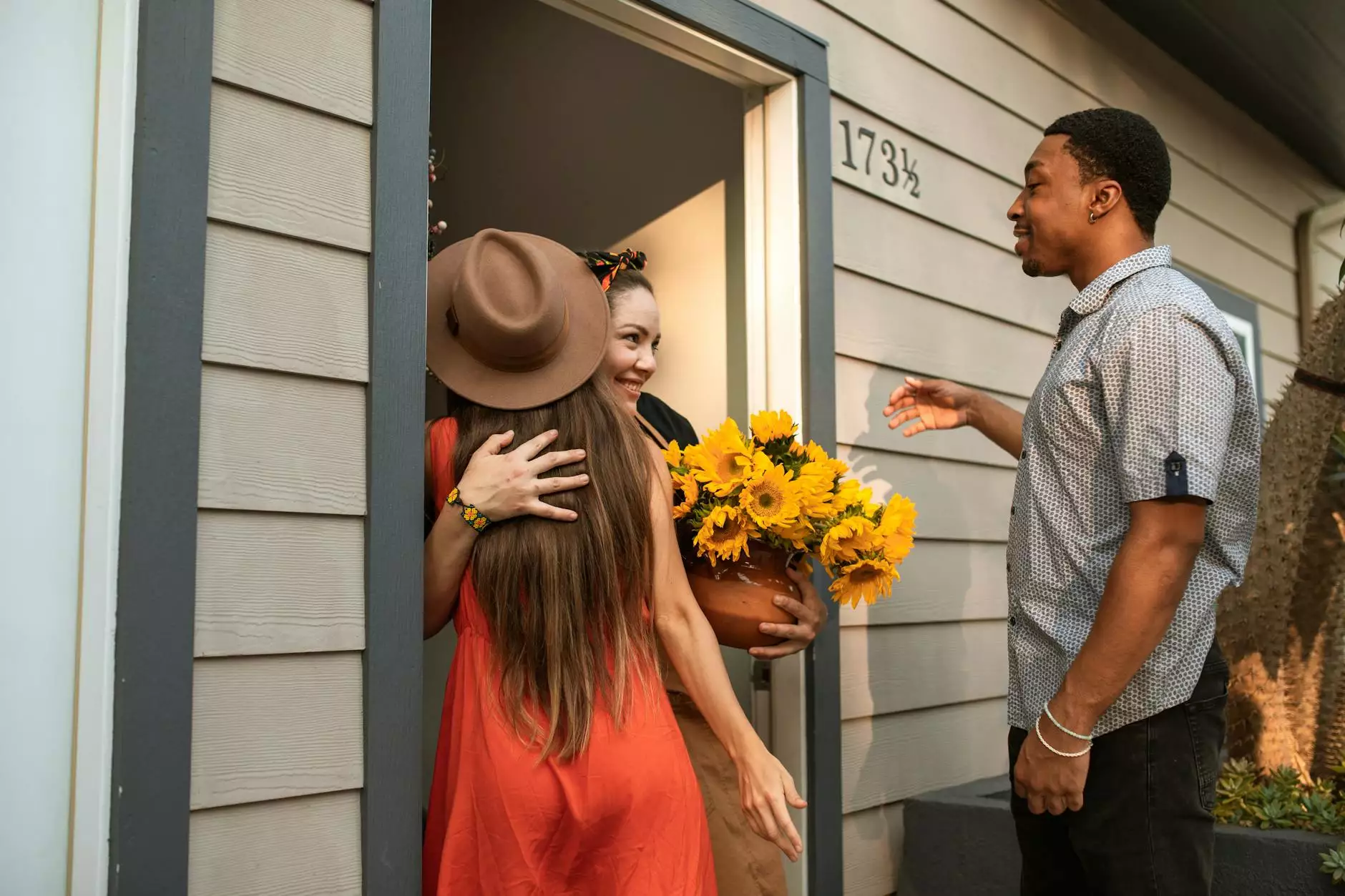
When it comes to creating a harmonious living space, one often overlooks the impact of elements such as door swing. This aspect of interior design plays a crucial role in both aesthetics and functionality. In this in-depth article, we will explore the myriad ways in which door swing can influence your home and garden layout, the selection process for suitable designs, and tips for optimizing this often-overlooked feature.
What is Door Swing?
The term door swing refers to the direction and movement of a door as it opens and closes. It is a fundamental consideration in architecture and interior design. Understanding door swing is essential for ensuring that doors operate effectively without hindrance, and it also maximizes the usability of space.
Types of Door Swings
There are primarily two types of door swings:
- Inward Swing: The door opens inward towards the room.
- Outward Swing: The door opens outward, away from the room.
Additionally, doors can also be categorized as:
- Left-Handed Swings: The door swings open to the left.
- Right-Handed Swings: The door swings open to the right.
The Importance of Door Swing in Design
Understanding the importance of door swing in your home and garden is vital for various reasons:
1. Space Optimization
Choosing the right door swing can significantly affect how space is utilized. For instance, an inward swinging door may be ideal for compact areas such as bathrooms, while outward swinging doors can benefit larger spaces.
2. Traffic Flow
When designing your home or garden, consider how people move through the space. The door swing can either facilitate an easy flow of movement or create obstacles, which can disrupt daily activities.
3. Aesthetic Appeal
Every element in your home contributes to its overall aesthetic. The choice of door swing affects visual harmony. A door that blends seamlessly with surrounding elements enhances the design's integrity.
4. Safety Considerations
In some cases, especially in gardens, the direction of the door swing can influence safety. For instance, outward swinging doors may pose a risk in narrow pathways, so assessing the space before installation is crucial.
How to Choose the Right Door Swing
Selecting the appropriate door swing involves considering various factors. Here are pivotal aspects to guide your choice:
1. Room Functionality
Consider the function of the room. For instance, a busy kitchen may benefit from a door that swings outward to avoid congestion.
2. Available Space
Measure the space around the door accurately. Ensure that other furniture and fixtures won't obstruct the door when it opens.
3. Style and Design
Match the door swing with your interior design style. A classic home may benefit from traditional inward swinging doors, while modern designs might work well with more innovative solutions.
4. Building Regulations
Check local building codes and regulations as some areas may have specific requirements regarding the direction and type of doors.
Integrating Door Swing into Your Home and Garden Layout
To maximize the benefits of your chosen door swing, consider these integration techniques:
1. Visual Planning
Utilize software or graph paper to map out your space. Indicate how the door will open in relation to furniture and traffic patterns.
2. Furniture Arrangement
Ensure that key pieces of furniture are not placed in a way that obstructs the door swing. For example, a sofa too close to a door can make it difficult to enter or exit.
3. Landscaping Considerations
In garden spaces, consider the path leading to the door. Ensure the swing does not interfere with garden layouts or outdoor furniture arrangements.
Common Mistakes to Avoid
Even seasoned designers can make mistakes when it comes to door swing. Here are common pitfalls to be wary of:
- Neglecting Space Constraints: Always measure and account for available space before deciding on a swing.
- Ignoring Door Functionality: A door should not only look good but also facilitate ease of use.
- Failing to Consider Room Interaction: Think about how different rooms interact and how the door swing affects access between spaces.
Creative Uses of Door Swing in Garden Design
In addition to interior applications, the door swing plays a pivotal role in garden design. Consider these creative approaches:
1. Garden Sheds
A well-placed shed door that swings outward can ease access for gardening tools and supplies, enhancing functionality.
2. Patios and Decks
Outward swinging doors leading to patios can create a seamless indoor-outdoor flow, perfect for entertaining guests.
3. Fencing and Gates
Choosing the right swing direction for gates helps manage traffic in and out of your garden and can improve security.
Final Thoughts on Door Swing
In conclusion, the concept of door swing encompasses much more than merely how a door opens. It intertwines with space utilization, aesthetic design, safety, and user flow. As you embark on home and garden improvements, prioritizing this often-ignored element can greatly enhance both the functionality and beauty of your space.
Investing time in understanding and applying the principles of door swing can transform your living environment into an efficient, stylish haven that invites comfort and functionality. Whether you're renovating or designing anew, keep door swing in mind as a key element to elevate your space.
For more insights on home and garden solutions, visit Zavesa.ua.