Understanding the Diagnostic Hysteroscopy Procedure
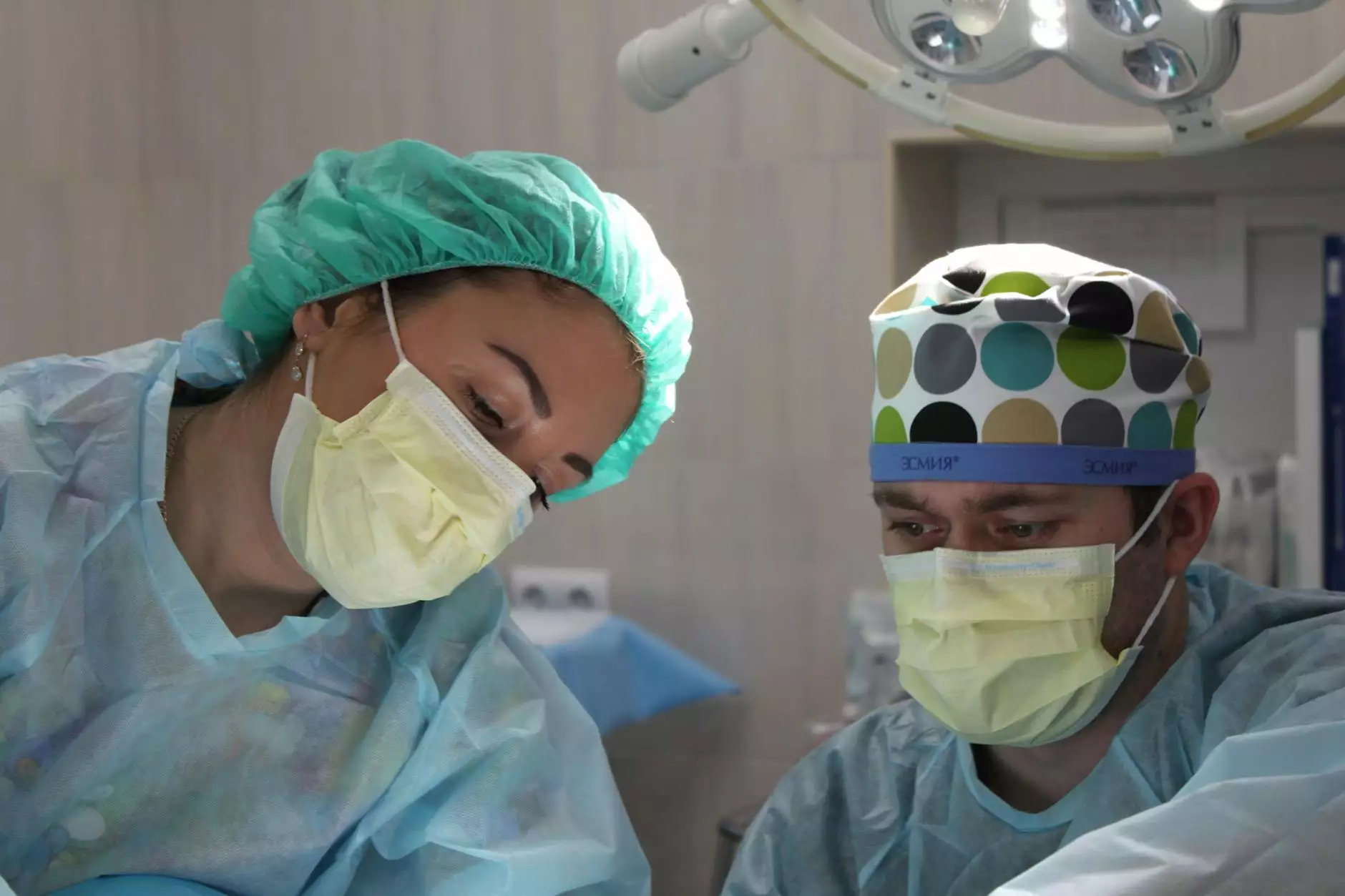
In the realm of women's health, the diagnostic hysteroscopy procedure represents a significant advancement in the evaluation of uterine health. This minimally invasive procedure allows gynecologists to visualize the inside of the uterus with clarity and precision, enabling accurate diagnosis and treatment of various uterine conditions. In this guide, we will dive deep into what diagnostic hysteroscopy entails, its benefits, preparation, procedure details, and post-operative care.
What is Diagnostic Hysteroscopy?
Diagnostic hysteroscopy is a surgical procedure that employs a hysteroscope—a thin, lighted tube—to examine the interior of the uterus. This procedure is essential for diagnosing numerous gynecological conditions such as abnormalities of the uterine lining, fibroids, polyps, and chronic pelvic pain.
During the procedure, the hysteroscope is inserted through the cervix into the uterus, often accompanied by the infusion of a clear fluid to distend the uterine cavity. This allows the doctor to get a better view of the uterus and identify any potential issues.
Indications for Diagnostic Hysteroscopy
Diagnostic hysteroscopy can be indicated for various reasons, including:
- Abnormal Bleeding: Heavy menstrual bleeding or bleeding between periods may warrant investigation.
- Infertility Evaluations: Women experiencing difficulty conceiving may undergo this procedure to rule out uterine anomalies.
- Polyp or Fibroid Detection: Suspicion of uterine polyps or fibroids can be confirmed through hysteroscopy.
- Endometrial Sampling: Tissue can be obtained for biopsy during the procedure.
- Prenatal and Postpartum Assessments: Understanding uterine conditions that may affect fertility or pregnancy outcomes.
The Benefits of Diagnostic Hysteroscopy
The diagnostic hysteroscopy procedure offers several advantages:
- Minimally Invasive: Unlike traditional surgical methods, hysteroscopy allows for diagnosis and treatment without large incisions.
- Direct Visualization: Provides a clear view of the uterine cavity, leading to more precise diagnoses.
- Immediate Treatment Options: Many conditions detected during hysteroscopy can be treated simultaneously—such as removing polyps or fibroids.
- Short Recovery Period: Most patients can resume normal activities shortly after the procedure.
- Improved Fertility Diagnosis: Identifying uterine issues can enhance the chances of conception in women struggling with infertility.
Preparing for the Procedure
Preparation for the diagnostic hysteroscopy is crucial for ensuring safety and effectiveness. Here are the steps typically involved:
- Consultation: Discuss with your healthcare provider about your symptoms, medical history, and any medications you are taking.
- Pre-Procedure Instructions: Follow any provided guidelines—such as fasting or avoiding certain medications that may increase bleeding.
- Timing: The procedure is often scheduled during the first half of the menstrual cycle to ensure the uterine lining is thin.
The Procedure: What to Expect
The diagnostic hysteroscopy is typically performed in a doctor's office or an outpatient surgery center. Here’s a step-by-step overview of what to expect:
1. Anesthesia
Patients may receive local anesthesia to numb the cervix, or sedation may be used to help them relax during the procedure.
2. Insertion of the Hysteroscope
After the anesthetic takes effect, the doctor will gently insert the hysteroscope through the cervix into the uterus. A sterile fluid is usually introduced to expand the uterine cavity, ensuring better visualization.
3. Examination
With the hysteroscope in place, the doctor will carefully examine the uterus, looking for any abnormalities, growths, or signs of disease.
4. Additional Procedures
If necessary, the doctor may perform minor surgical procedures during the hysteroscopy, such as:
- Biopsy: Taking tissue samples for laboratory analysis.
- Polypectomy: Removing polyps if found.
- Myomectomy: Excising fibroids from the uterine wall.
5. Completion and Recovery
Once the examination is complete, the hysteroscope is carefully withdrawn. Recovery is generally quick, with most patients monitored briefly before going home the same day.
Post-Operative Care
After the diagnostic hysteroscopy procedure, patients should adhere to the following recommendations:
- Rest: Take it easy for the remainder of the day following the procedure.
- Pain Management: Over-the-counter pain relief may be recommended for any cramping or discomfort.
- Follow-Up Appointments: Schedule a follow-up visit with your healthcare provider to discuss results and any further treatment needed.
- Watch for Complications: Be aware of signs of infection or excessive bleeding and contact your doctor if these occur.
Potential Risks and Complications
While diagnostic hysteroscopy is generally safe, it is not without potential risks. These may include:
- Infection: As with any surgical procedure, there is a slight risk of infection.
- Uterine Perforation: Rarely, the hysteroscope may puncture the uterine wall, leading to more serious complications.
- Bleeding: Some patients may experience abnormal bleeding post-procedure.
- Adverse Reactions to Anesthesia: Reactions, although uncommon, can occur in response to anesthetics.
Why Choose Dr. Seckin for Your Hysteroscopy?
When it comes to undergoing a diagnostic hysteroscopy procedure, selecting a qualified and experienced physician is vital. Dr. Seckin, a renowned expert in obstetrics and gynecology, offers:
- Expertise: With years of specialized experience, Dr. Seckin brings valuable insight into women's reproductive health.
- Comprehensive Care: Dr. Seckin provides personalized treatment plans that address individual patient needs.
- State-of-the-Art Facilities: Advanced technology ensures the highest standard of care and minimal discomfort during procedures.
- Patient-Centered Approach: Emphasis on patient comfort and thorough communication throughout the process.
Conclusion
Understanding the diagnostic hysteroscopy procedure, its indications, benefits, preparation, and recovery process is essential for making informed healthcare decisions. This procedure can be a pivotal step in diagnosing and treating various uterine conditions, thereby enhancing women's reproductive health. If you are facing symptoms that warrant investigation, do not hesitate to consult with a qualified healthcare provider like Dr. Seckin. By doing so, you take a proactive step towards achieving optimal health and wellness.
For more information or to schedule a consultation, visit drseckin.com.