The Essential Role of Road Sweeping Vehicles in Urban Maintenance
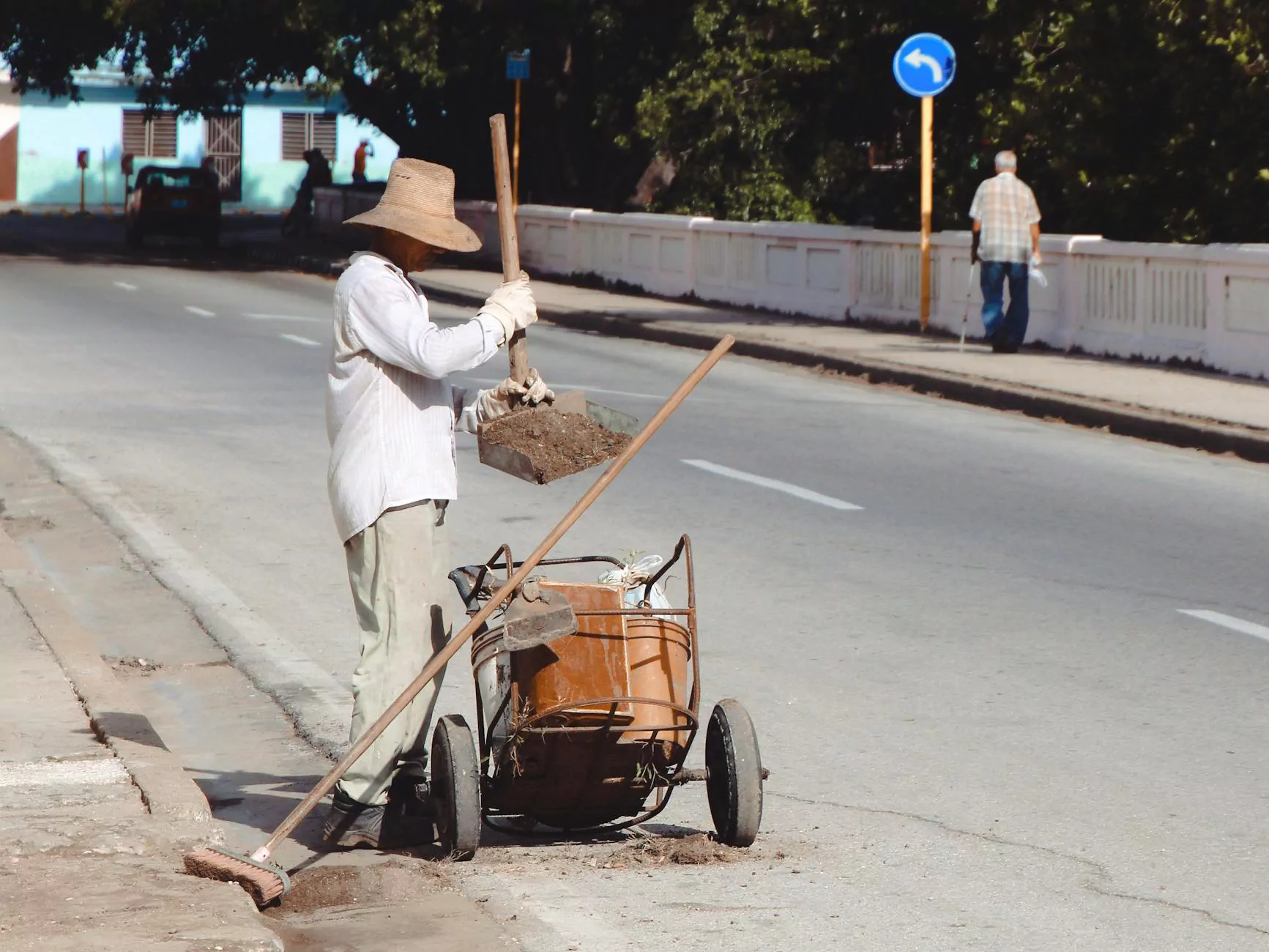
The urban environment faces numerous challenges in maintaining cleanliness and hygiene. One critical solution to these challenges is the use of road sweeping vehicles. These specialized machines are designed to effectively clean streets, parking lots, and other paved surfaces, contributing significantly to public health and environmental sustainability.
Understanding Road Sweeping Vehicles
Road sweeping vehicles are powerful machines equipped with advanced technology to clean various surfaces efficiently. They come in different sizes and types, designed for specific cleaning tasks, including:
- Truck-mounted sweepers - ideal for large surface areas.
- Compact sweepers - suitable for smaller urban areas or residential zones.
- Mechanical street sweepers - excellent for heavy-duty cleaning jobs.
- Vacuum sweepers - designed to pick up fine dust and debris effectively.
The Importance of Road Sweeping Vehicles
The role of road sweeping vehicles extends beyond mere aesthetics. Their functionalities include:
1. Enhancing Public Health
By removing litter, leaves, and other debris, road sweeping vehicles help in reducing allergens and preventing rodent infestations. This contributes directly to better public health outcomes, as clean streets lead to reduced respiratory problems and allergies.
2. Environmental Sustainability
Through efficient debris collection, road sweepers play a pivotal role in environmental preservation. They help in:
- Preventing stormwater pollution by collecting pollutants before they enter the water system.
- Conserving water resources by minimizing the need for excessive street cleaning with chemicals.
- Reducing waste by ensuring that recyclables are collected alongside general debris.
3. Aesthetic and Quality of Life Improvements
Clean streets enhance the beauty of any urban area, making it more attractive to residents and visitors alike. Road sweeping vehicles contribute to:
- Improving the overall quality of life for citizens.
- Attracting businesses and boosting local economies.
- Encouraging outdoor activities and community engagement in clean environments.
Technological Innovations in Road Sweeping
As technology advances, so do road sweeping vehicles. New innovations include:
1. Eco-friendly Engines
Modern road sweepers are equipped with eco-friendly engines that reduce emissions and fuel consumption. This aligns with global efforts to combat air pollution and promote sustainability in city planning.
2. Smart Technology Integration
Many road sweepers now feature smart technology, allowing for:
- Real-time data collection on street cleanliness.
- GPS tracking for optimal route planning and efficiency.
- Automated reporting systems for municipalities to track the effectiveness of cleaning operations.
3. Enhanced Vacuum Systems
Upgraded vacuum systems in some road sweeping vehicles allow for the effective collection of finer debris and dust particles, ensuring a more thorough clean and reducing health hazards related to air quality.
Choosing the Right Road Sweeping Vehicle
When selecting a road sweeping vehicle, municipalities and businesses should consider several factors:
1. Size and Capacity
The size of the sweeper must match the areas it is intended to clean. Compact models are great for tight spaces, while larger models are suitable for highways and broad streets.
2. Type of Debris
Different roads have different types of debris. It’s essential to select a vehicle equipped to handle the expected waste, whether it’s fine dust, heavy vegetation, or larger waste items.
3. Budget and Cost-Efficiency
Budget constraints are significant for many municipalities. Investing in a road sweeping vehicle is a long-term commitment, and it's crucial to evaluate operating costs, maintenance, and potential savings in terms of public health and environmental benefits.
Regulations and Standards for Road Sweeping Vehicles
Governments and regulatory bodies have established standards for the operation of road sweeping vehicles. These regulations often cover:
- Emissions standards to ensure that vehicles meet environmental laws.
- Operational guidelines, including noise regulations and working hours for street cleaning.
- Safety protocols for operators to prevent accidents during operation.
Case Studies: Successful Implementation of Road Sweeping Vehicles
Several cities worldwide have successfully implemented road sweeping vehicles into their maintenance plans. Here are a few notable examples:
1. San Francisco, USA
San Francisco utilizes a fleet of vacuum sweepers that not only clean streets but also collect valuable recyclable materials, enhancing the city’s sustainability efforts.
2. Stockholm, Sweden
Stockholm employs high-tech street sweepers that operate efficiently in their cold climate, ensuring streets are kept clean year-round, even during harsh weather conditions.
3. Sydney, Australia
Sydney's new electric road sweeping vehicles have significantly reduced the city’s carbon footprint while maintaining high standards of street cleanliness.
Future Trends in Road Sweeping Technology
As urban landscapes evolve, the future of road sweeping vehicles looks promising. Expected trends include:
1. Increased Automation
As automation technology progresses, we may see fully autonomous road sweeping vehicles that can perform without human intervention, increasing efficiency and reducing labor costs.
2. Integration with IoT
The Internet of Things (IoT) is likely to enable smart road sweepers that communicate directly with city infrastructure, optimizing cleaning schedules based on real-time traffic and weather data.
3. Enhanced Data Analytics
Future road sweeping vehicles may incorporate advanced data analytics to track and predict cleaning needs, ensuring that no areas are overlooked and resources are used most effectively.
Conclusion: The Path to Cleaner Cities
As urban areas continue to grow, the importance of road sweeping vehicles in maintaining cleanliness and hygiene cannot be overstated. Investing in advanced road sweeping technology not only benefits public health and the environment but also enhances the overall quality of life for residents. By understanding their role, technology, and future potential, municipalities can make informed decisions that align with sustainability goals and improve urban living. Whether it's through choosing the right equipment or adopting innovative practices, one thing is clear: road sweeping vehicles are essential for a cleaner and healthier future.