Ultimate Guide to Videographer Prices: Unlocking Business Success in Video/Film Production
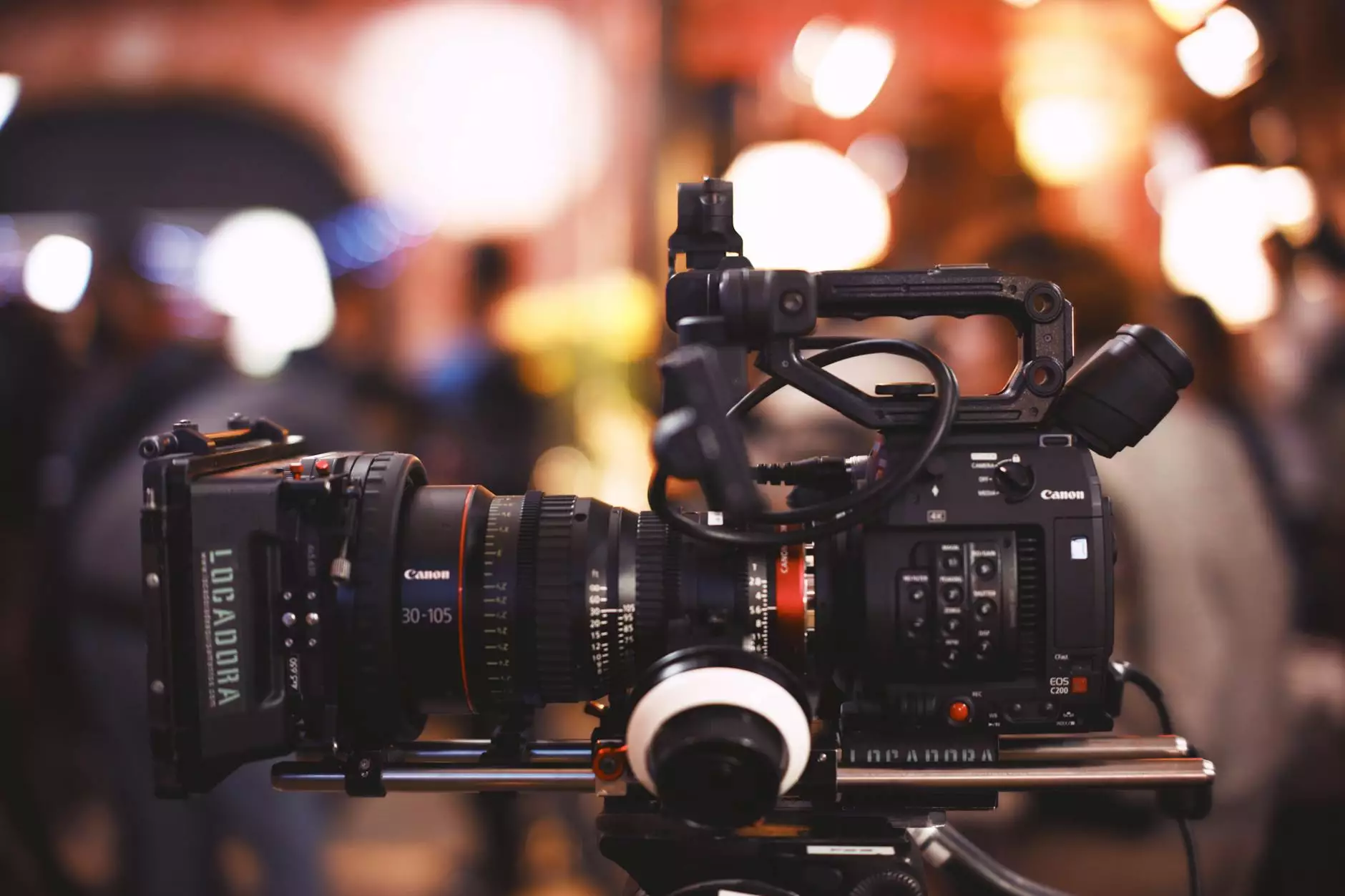
In the dynamic and ever-evolving world of video and film production, understanding the intricacies of videographer prices plays a crucial role in building a successful business. Whether you're an aspiring videographer, a seasoned professional, or a business owner seeking to hire top talent, having comprehensive knowledge about pricing strategies, industry standards, and cost management is essential. This article provides an in-depth exploration of videographer prices, how to navigate the competitive landscape, and leverage value to grow your business in video/film production.
Understanding the Market for Videographer Prices
The first step towards mastering the art of pricing in the video and film industry is to understand the current market landscape. The rates charged by videographers vary widely based on several factors, including experience, location, type of project, equipment used, and the level of post-production involved. Recognizing these variables is key to setting fair yet competitive prices that reflect your skill set and market demand.
Factors Influencing Videographer Prices
- Experience & Reputation: Seasoned professionals with a proven track record command higher rates compared to newcomers.
- Location: Rates differ significantly between major metropolitan areas and smaller towns due to cost of living and market saturation.
- Project Complexity: High-end commercial productions or cinematic projects with special effects elevate pricing.
- Equipment & Technology: Use of high-end cameras, drones, stabilized rigs, and professional lighting influences prices.
- Post-Production Needs: Editing, color grading, animation, and sound design add to overall costs.
- Client & Market Demand: High-profile clients or niche markets may allow for premium pricing.
Typical Pricing Models in Video/Film Production
Videographers and production companies often adopt various pricing models tailored to project needs and client preferences. Understanding these models will help you craft transparent quotes and manage client expectations effectively. The three most common pricing structures include:
1. Hourly Rates
This model is prevalent for smaller projects or quick shoots. Hourly videographer prices can range from $50 to $300 or more, depending on expertise and location. It's ideal for events like corporate filming, weddings, or interviews where flexibility is essential.
2. Day Rates
A fixed rate for a full day of work (typically 8-10 hours). Day rates provide clarity on costs upfront. Expect prices between $500 to $3,000, with premium rates available for high-caliber videographers or specialized equipment.
3. Project-Based Pricing
The most comprehensive model, where the total cost is calculated based on the scope, complexity, and deliverables. This approach offers transparency and helps avoid surprises for both parties. For instance, a promotional video might cost between $2,000 to $20,000 depending on length, accuracy, and post-production demands.
How to Determine Your Videographer Prices in Business
Setting the right videographer prices is vital to sustain and grow your video/film production business. Here are key considerations:
1. Calculate Your Costs
Include all direct and indirect costs such as equipment amortization, software subscriptions, insurance, taxes, marketing, and your time. This foundation ensures your prices cover expenses and generate profit.
2. Research Competitors
Analyze rates charged by local competitors and industry standards. Websites like ProductionHUB or Vimeo can offer insights. Position your prices competitively while highlighting your unique value proposition.
3. Define Your Value Proposition
Differentiate yourself through exceptional quality, creative approach, quick turnaround, or specialized services. Higher prices can be justified by delivering added value and a memorable client experience.
4. Offer Package Deals
Bundling services, such as filming, editing, and deliverables, can streamline pricing and appeal to clients seeking comprehensive solutions. Packages also help clients understand exactly what they pay for.
Strategies to Optimize Your Videographer Prices and Maximize Business Revenue
Increasing profitability doesn't necessarily mean just raising prices. It's about providing true value and efficient services that justify your rates. Here are effective strategies:
1. Focus on Niche Markets
Specializing in a specific industry like real estate, weddings, corporate branding, or music videos positions you as an expert and allows premium pricing.
2. Build a Strong Portfolio & Customer Testimonials
Demonstrating high-quality work achieves trust and attracts higher-paying clients. Conducting collaborations or creating compelling case studies enhances your reputation.
3. Invest in Quality Equipment & Training
Staying ahead with the latest technology improves your efficiency and output quality, reinforcing your ability to command higher videographer prices.
4. Enhance Customer Service & Communication
Clear communication, punctuality, and attentive service create satisfied clients, leading to repeat business and referrals, justifying your rates.
Pricing Tips for Building a Sustainable and Profitable Video/Film Business
Developing a strong pricing strategy is just one aspect of a thriving business in video/film production. Consider these vital tips:
- Set Clear Expectations: Provide detailed quotes and scope of work to prevent misunderstandings.
- Remain Flexible: Adapt pricing for different projects or client budgets without undervaluing your services.
- Offer Value-Added Services: Incorporate branding, social media snippets, or immersive content to stand out and justify premium prices.
- Develop Long-term Relationships: Building trust and loyalty encourages ongoing collaborations and higher-priced projects over time.
- Continuously Evaluate & Adjust: Regularly review your pricing structure based on industry changes, costs, and personal growth.
The Future of Videographer Prices & Industry Trends
The video and film production industry is rapidly evolving, with technological advances and changing market demands influencing videographer prices. Some of the prominent trends include:
- Increased Use of Drones & 4K/8K Cameras: These cutting-edge tools demand higher investment, which is reflected in pricing.
- Virtual & Augmented Reality Content: Emerging formats require specialized skills and equipment, impacting costs accordingly.
- Remote & Live Streaming Services: With the surge in virtual events, clients seek real-time solutions, influencing pricing models.
- Sustainable & Eco-Friendly Production: Sustainable practices may entail additional costs but attract environmentally conscious clients.
Why Choosing the Right Videographer Prices Matters for Your Business
Setting optimal rates is more than just covering expenses—it's about positioning your business for long-term success. Competitive yet fair pricing positions you as a premium provider, attracts high-value clients, and sustains profitability. Equally, understanding industry standards prevents undervaluing your work, which can devalue the profession as a whole.
Conclusion: Elevate Your Video/Film Business with Strategic Pricing & Quality Services
In the competitive realm of video and film production, mastery of videographer prices is a cornerstone of success. By comprehensively understanding market factors, customizing your pricing models, and providing exceptional value, you can build a thriving business that stands out and commands premium rates. Remember, effective pricing combined with continuous improvement and customer satisfaction paves the way toward long-term growth and industry leadership.
For tailored advice, expert guidance, and top-tier production services, visit esteban-castle.com – where quality meets innovation in video and film production.